Best Mobile Network in South Africa for iPhone 17, Galaxy S26 and Pixel 10: Vodacom vs MTN vs Telkom vs Cell C vs Rain
Quick answer
Choosing the best mobile network in South Africa depends on where you live, how you use your phone and whether you want the strongest 5G or the best deal. Here’s how Vodacom, MTN, Telkom, Cell C and Rain stack up for iPhone 17, Galaxy S26 and Pixel 10 buyers.
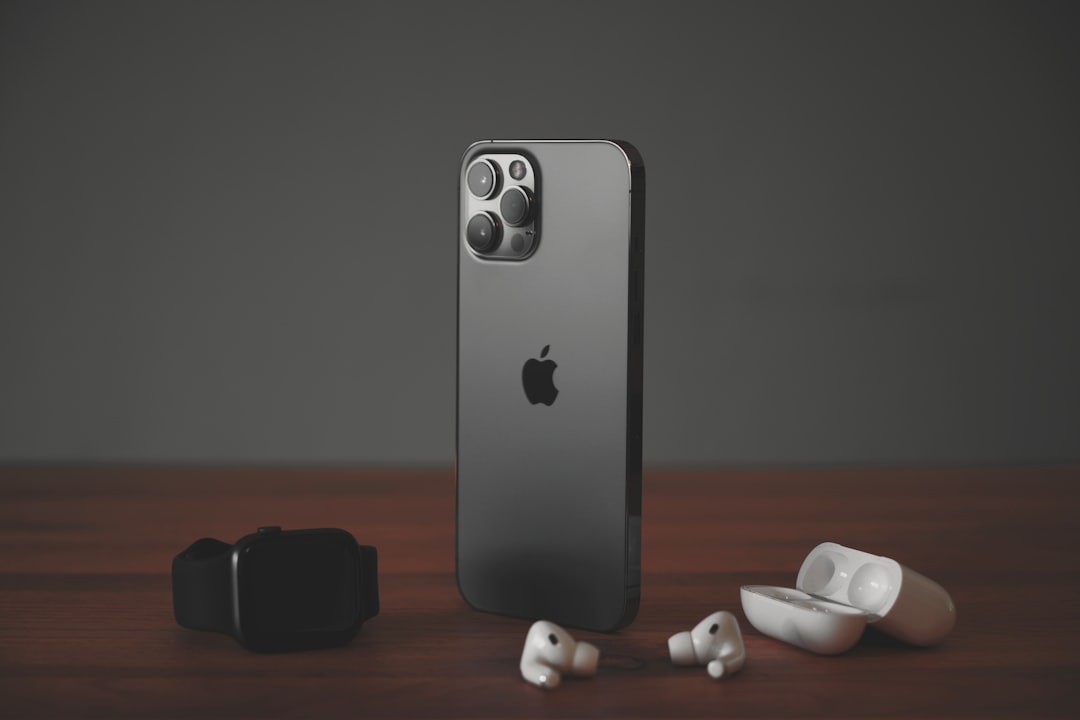
Which network is best for South Africa’s top phones in 2026?
If you are buying a new iPhone 17, Galaxy S26 or Pixel 10, the network you choose matters almost as much as the phone itself. The best mobile network in South Africa is not the same for everyone: it depends on coverage in your area, 5G availability, how much you stream, and whether you want the strongest signal indoors or the cheapest monthly bundle.
In 2026, South African consumers have five major network options to consider: Vodacom, MTN, Telkom, Cell C and Rain. For flagship phones like the iPhone 17 series, Galaxy S26 series and Pixel 10 series, the ideal network should offer reliable 4G and 5G, good urban coverage, and enough speed for video calls, cloud backups, gaming and hotspot use.
Quick verdict: best network by user type
- Best overall coverage: Vodacom
- Best all-round alternative: MTN
- Best value if coverage is good in your area: Telkom
- Best budget-friendly SIM-only option: Cell C
- Best unlimited-style home and data use in select areas: Rain
That said, the right answer for you may change from suburb to suburb. In Johannesburg, Cape Town, Durban, Pretoria or Gqeberha, one network may be excellent in the city centre but weaker in the exact estate, apartment block or office area where you spend most of your time.
Vodacom vs MTN: the big question for premium phone buyers
When South Africans ask about Vodacom vs MTN, they are usually comparing the two strongest national networks. For premium devices like the iPhone 17 Pro, Galaxy S26 Ultra and Pixel 10 Pro, both are excellent choices. Vodacom is often the safer pick if you want broad coverage, strong roaming options and dependable performance in more places. MTN is also highly competitive, especially for users who care about speed, 5G reach and strong urban performance.
Vodacom is usually the best bet if you travel frequently between cities, use your phone in rural or semi-rural areas, or want the most consistent network for work calls and navigation. It is also a strong choice for iPhone 17 network coverage because Apple users often expect stable data for iCloud, FaceTime, Maps and app syncing.
MTN is a very strong option if you spend most of your time in metro areas and want a network that can handle heavy data use, streaming and hotspotting. Many Galaxy S26 buyers and Pixel 10 users will be happy on MTN, especially if they use their phone as a primary internet device.
How each network performs for the iPhone 17
The iPhone 17 series is designed for fast 5G, efficient battery use and smooth cloud services. That means it shines most on a network that offers stable data and strong indoor reception.
- Vodacom: Best for users who want the most dependable nationwide experience, especially if they move around a lot.
- MTN: Excellent for urban users who want speed and strong 5G performance.
- Telkom: Good value if your area has strong Telkom coverage, but check signal quality before signing a long contract.
- Cell C: Can be a smart low-cost option for lighter users, though performance can vary more by location.
- Rain: Works well for data-heavy users in covered areas, but it is less ideal if you need broad voice and travel coverage.
If your main concern is iPhone 17 network coverage, Vodacom and MTN are the safest choices. If you are buying an iPhone 17e and want a more affordable monthly plan, Telkom or Cell C may be worth considering, but only after testing reception where you live and work.
How each network performs for the Galaxy S26
The Galaxy S26 series, including the Galaxy S26 Ultra, is built for power users. Samsung’s latest flagship is ideal for streaming, gaming, hotspotting and fast downloads, so it benefits from a network with strong 5G capacity and solid latency.
- Vodacom: Great for users who want premium reliability and broad coverage.
- MTN: Often a top choice for speed-focused users and heavy data consumers.
- Telkom: Attractive for price-conscious buyers, especially on data bundles and contract deals.
- Cell C: Can offer good value, but it is better suited to users who know the network works well in their area.
- Rain: Best for data-only use in supported locations rather than as a universal all-purpose mobile network.
If you are buying the Galaxy S26 Ultra at the premium end of the market, it makes sense to pair it with Vodacom or MTN unless you already know another network performs better at home and at work. A flagship Samsung on a weak network is a frustrating experience, no matter how good the phone is.
How each network performs for the Pixel 10
The Pixel 10 series tends to appeal to users who care about clean Android software, camera quality and smart AI features. Because Pixel users often rely heavily on cloud backups, Google Photos, Maps and Assistant-style services, they need a network that is stable and fast enough for constant background syncing.
- Vodacom: Strong choice for dependable coverage and everyday reliability.
- MTN: Excellent for city users who want high-speed data and strong 5G.
- Telkom: Worth considering for affordable data if reception is good in your area.
- Cell C: Best for value seekers who do not need the strongest nationwide footprint.
- Rain: Useful for data-heavy users in urban zones, but less versatile for travellers.
For the Pixel 10, the biggest question is not only speed but consistency. If you live in an area with excellent MTN or Vodacom coverage, either network can make the Pixel 10 feel much more responsive in daily use.
Where Telkom, Cell C and Rain make sense
Not everyone needs the most expensive network. In South Africa, many consumers are looking for the best mix of price and performance, especially if they are financing a flagship phone and want to keep monthly costs under control.
Telkom can be a strong value option for users who mainly stay in one area and want lower monthly costs. It is worth checking signal quality indoors, because contract value means little if your home or office reception is weak.
Cell C remains a practical budget choice for light to moderate users, especially those who want affordable bundles and are willing to trade some consistency for savings.
Rain is best thought of as a specialist network. If you use a lot of data and live in a supported area, it can be attractive. But if you need voice reliability, travel coverage and everyday flexibility, it is usually not the first choice for a premium smartphone as a primary SIM.
Practical advice before you choose a contract
Before signing a deal for your new phone, do these checks:
- Test the signal at home and work: The best network is the one that works where you actually spend time.
- Ask neighbours and colleagues: Local experience is often more useful than national marketing claims.
- Check 5G availability: If you are buying an iPhone 17, Galaxy S26 or Pixel 10, make sure the network supports fast 5G in your area.
- Compare total contract cost: Look at the handset, airtime/data, and any once-off fees over 24 months.
- Consider dual SIM use: Many South Africans use one SIM for voice and another for data to get the best of both worlds.
If you are unsure, start with a prepaid SIM or month-to-month option before committing to a long contract. That is especially smart if you are moving to a new suburb or buying a phone for the first time on a new network.
Final verdict: which network should you pick?
If you want the best mobile network South Africa has to offer for a flagship phone, Vodacom is the safest overall choice and MTN is the strongest rival for speed and urban performance. For most people buying an iPhone 17, Galaxy S26 or Pixel 10, those two should be the first networks to compare.
Telkom is the smart value option if coverage is good in your area. Cell C is worth a look for budget-conscious users, while Rain makes sense mainly for data-heavy users in covered zones.
The smartest move is simple: choose the phone you want, then choose the network that works best at home, at work and along your regular routes. In South Africa, that is the real formula for getting the most from a premium smartphone.