Huawei Mate 80 Pro Battery Life Review in South Africa: Gaming, Heat and 2-Year Ownership
Quick answer
The Huawei Mate 80 Pro is built for users who need serious stamina, especially for gaming and heavy daily use. Here’s how it performs in South African conditions, from heat to long-term ownership.
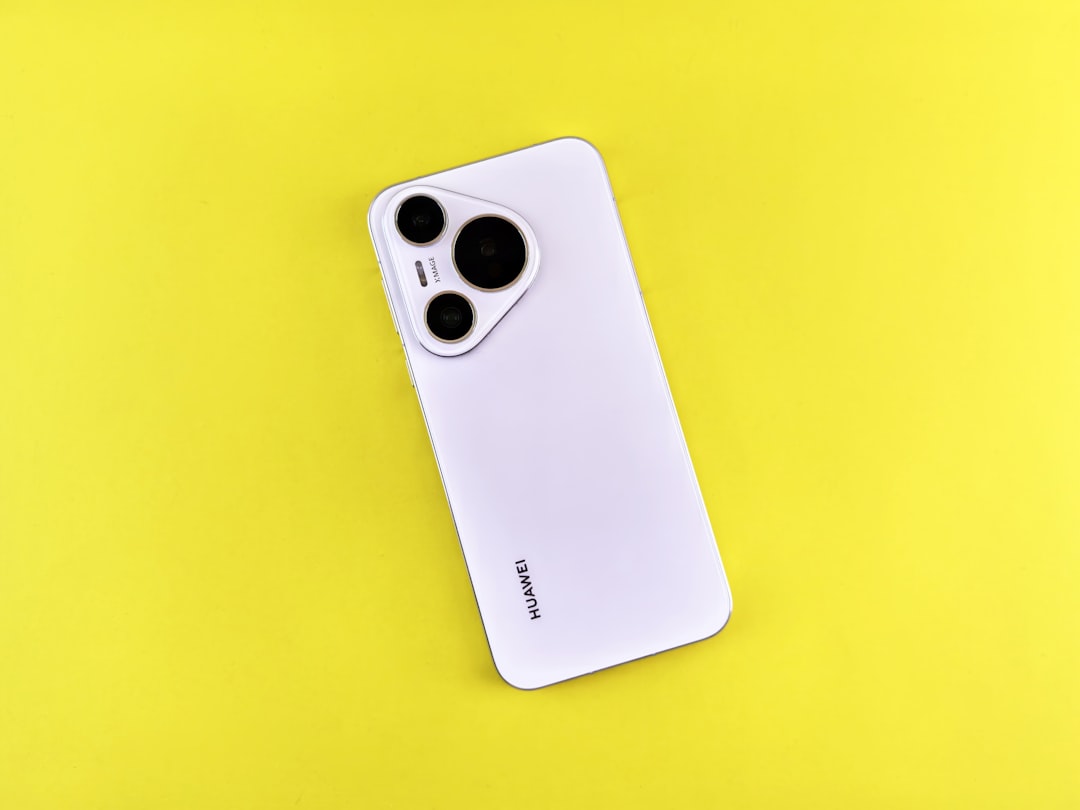
Huawei Mate 80 Pro battery life review in South Africa
The Huawei Mate 80 Pro has arrived in South Africa with a clear promise: premium performance without the constant battery anxiety that can ruin a long day. At R21,999, it sits in a competitive flagship bracket, but battery life is where Huawei is clearly trying to win over gamers, commuters, and power users who spend hours on mobile data, streaming, and social apps.
For South African buyers, battery performance is not just about screen-on time. It is also about how well a phone copes with load shedding, hot summer afternoons, weak signal areas, and long gaming sessions on Vodacom, MTN, Telkom, Cell C, or Rain. In that context, the Mate 80 Pro makes a very strong case for itself.
Battery performance: built for long days
In everyday use, the Mate 80 Pro feels like a phone that is designed to leave the charger behind. Mixed usage with WhatsApp, YouTube, Instagram, Spotify, email, camera use, and navigation can comfortably stretch through a full day and still leave reserve power for the evening. For many users, that means arriving home with battery left instead of hunting for a cable at 6pm.
This is especially useful in South Africa, where many people use their phones as a primary entertainment device during outages. If you are watching downloaded Netflix episodes, sharing hotspot data, or using mobile banking while the power is out, the Mate 80 Pro’s stamina matters more than raw benchmark numbers.
Huawei Mate 80 Pro battery life South Africa is best described as dependable first, flashy second. It is the sort of battery performance that becomes more valuable the longer you own the device.
Huawei Mate 80 Pro gaming review: how it handles long sessions
Gaming is where battery life can fall apart quickly, but the Mate 80 Pro performs well under pressure. Titles such as Call of Duty Mobile, PUBG Mobile, Genshin Impact, and EA Sports FC Mobile will naturally drain the battery faster than messaging and browsing, but the phone is clearly tuned to handle extended play better than many rivals.
During long gaming sessions, the Mate 80 Pro’s battery drain is controlled enough that you do not feel forced to plug in after every match. That makes it a strong candidate for anyone who wants the best battery phone for gaming South Africa can offer in the premium class. If you play during commute time, on campus, or while waiting out load shedding, the phone is built to keep up.
One of the biggest advantages for gamers is that the battery does not collapse dramatically when the phone is pushed hard. Instead, it tends to lose power in a more predictable way, which helps you plan your sessions. That said, the exact result will depend on your brightness level, frame rate settings, network strength, and whether you are on Wi-Fi or mobile data.
Gaming on mobile data versus Wi-Fi
South African gamers often forget how much battery mobile networks can consume, especially in areas with weaker signal. On MTN or Vodacom in a strong coverage area, the Mate 80 Pro should hold up well. In patchier locations, or when the phone keeps searching for signal on a train ride or in a basement parking area, battery drain will climb faster.
If you are gaming on Rain home internet or a stable Wi-Fi connection, the phone will usually perform more efficiently than on mobile data. The same applies when using Telkom or Cell C in areas where signal is not as consistent. For the best results, keep your network conditions in mind before judging battery life too harshly.
Heat management: important for South African summers
Battery life is only half the story. Heat can be just as important, because a hot phone drains faster, throttles performance, and feels uncomfortable to hold. The Mate 80 Pro handles heat reasonably well for a flagship, which is reassuring for South African users who game outdoors, in cars, or in warm rooms without air conditioning.
During heavy gaming, the back of the phone can warm up, but it does not immediately become alarming. More importantly, the device appears to manage heat in a way that avoids major performance drops in normal use. That means fewer moments where frame rates suddenly stutter because the phone is struggling to stay cool.
South African conditions can be brutal on smartphones. A phone used in a hot car, on a sunny balcony, or while charging during an outage can heat up quickly. The Mate 80 Pro is not immune to physics, but it is better prepared than many phones in its class to deal with a full day of mixed stress.
Charging habits that help with heat
If you want to preserve battery health over time, avoid gaming while fast-charging unless you really need to. That combination creates extra heat and is one of the fastest ways to make any phone uncomfortable. If you must charge and play, try to remove the case temporarily and keep the phone in a cooler spot.
For South Africans who often charge during load shedding, this advice matters. Charging a warm phone in a warm room can accelerate wear over the long term. The Mate 80 Pro gives you a strong starting point, but good habits will determine how well it ages.
2-year ownership: will the battery still feel good?
A phone can feel excellent on day one and still become frustrating after 18 to 24 months if battery health drops too quickly. The Mate 80 Pro looks well positioned for 2-year ownership because its battery management is efficient and its charging experience encourages top-ups without long downtime.
Over two years, the biggest risks are not unique to Huawei. They are the usual ones: frequent heat exposure, overnight charging every day, gaming while plugged in, and poor battery care. If you follow sensible charging habits, the Mate 80 Pro should remain a strong daily device well into year two.
For South African buyers who tend to keep phones for two years or longer on contract, that matters. A device that starts strong but ages badly can become costly. The Mate 80 Pro’s battery profile suggests it should remain usable and practical for the full contract term, especially if you are not a heavy 3D gamer every single day.
Best practices to extend battery life over two years
- Keep brightness on adaptive mode instead of maxing it out all day.
- Use Wi-Fi when possible, especially at home or work, to reduce mobile data drain.
- Avoid heat build-up by not gaming while fast-charging unless necessary.
- Turn off background apps you do not need, especially social and shopping apps.
- Use original or certified chargers to protect long-term battery health.
Who should buy it?
The Mate 80 Pro is a great fit for South African users who want premium battery life without constantly planning around a charger. It is especially appealing if you:
- play mobile games for long stretches;
- spend a lot of time on mobile data;
- live through frequent load shedding and need a dependable phone;
- want a flagship that can last a full day and then some;
- prefer a phone that should still feel solid after two years.
If your main priority is pure gaming endurance, the Mate 80 Pro is one of the more convincing options in the premium market. It may not be the only good battery phone around, but it is definitely in the conversation for the best battery phone for gaming South Africa buyers can consider in 2026.
Final verdict
The Huawei Mate 80 Pro battery life review in South Africa is very positive overall. It delivers the kind of stamina that makes life easier, whether you are gaming, commuting, working remotely, or simply surviving another power cut. Heat control is solid enough for long sessions, and the battery profile suggests good long-term ownership potential if you treat the phone well.
For South African consumers who want a premium phone that can handle heavy use without drama, the Mate 80 Pro is a strong buy. It is not just about lasting a day; it is about lasting through real-life conditions, from Vodacom and MTN data use to hot afternoons, load shedding, and the demands of a two-year contract.