iPhone 17e vs Samsung Galaxy A56: Which Budget Phone Makes More Sense for a University Student in South Africa?
Quick answer
The iPhone 17e and Samsung Galaxy A56 target very different student buyers in South Africa. Here’s which one offers the better mix of value, battery life, and long-term sense.
iPhone 17e vs Samsung Galaxy A56: Which Budget Phone Makes More Sense for a University Student?
If you are shopping for the best budget phone for university students South Africa, the choice between the iPhone 17e vs Samsung Galaxy A56 is more interesting than it first appears. Both phones sit in the “affordable but still capable” lane, but they serve different kinds of students: one is for those who want to enter Apple’s ecosystem at the lowest possible price, while the other is for buyers who want a practical Android all-rounder with strong local value.
In 2026, South African students are not only comparing specs. They are also weighing monthly contract costs, battery life on long lecture days, data usage on Vodacom, MTN, Telkom, Cell C, or Rain, and how well a phone will last through at least three years of classes, internships, and side hustles. That makes this a very real cheap smartphone comparison 2026, not just a spec sheet battle.
Quick verdict
The Samsung Galaxy A56 is the more sensible choice for most university students in South Africa. It offers a better balance of price, display, battery life, and Android flexibility, which matters when you are juggling lectures, notes, banking apps, WhatsApp groups, and streaming on a student budget.
The iPhone 17e makes sense if you specifically want iOS, already use an iPad or Mac, or care more about long-term software support and Apple resale value than about upfront affordability. It is the cheaper way into the current iPhone 17 family, but it still tends to cost more than the Galaxy A56 once you look at contracts and accessories.
Price and value in South Africa
Price is where the Galaxy A56 immediately looks more student-friendly. Samsung’s A-series is built for value, and the A56 is positioned as a premium mid-range phone rather than a stripped-down entry device. That usually means better availability on prepaid and contract deals across South African retailers and networks.
The iPhone 17e, as the most affordable iPhone 17 model, is still an Apple product in 2026 terms, which means the entry cost is naturally higher than most Android rivals. Even when the monthly instalment looks manageable, the total cost of ownership can climb once you add a case, screen protector, and possibly AppleCare-style protection if you are worried about damage on campus.
For students comparing monthly budgets, the Galaxy A56 often leaves more room for airtime and data. That matters if you are paying for transport, printing, residence fees, and the occasional emergency Uber home after a late study session.
Display and everyday use
For university life, the display matters more than many buyers think. You will be reading PDFs, attending online lectures, scanning QR codes, and messaging in bright outdoor conditions between classes.
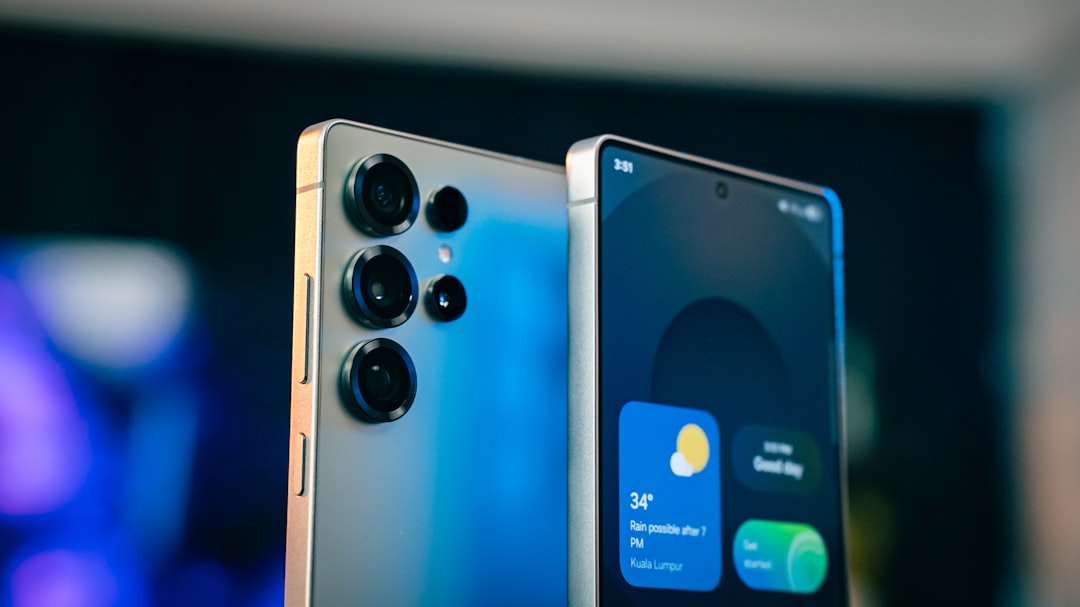
The Samsung Galaxy A56 is likely to appeal to students who want a larger, more immersive screen for notes, videos, and multitasking. Samsung’s A-series typically delivers excellent OLED quality for the money, which makes it a strong option for watching lecture recordings and revising from digital material.
The iPhone 17e will offer Apple’s familiar clean display tuning, smooth performance, and strong touch response, but the overall value proposition depends on whether you are willing to pay more for the iPhone experience. If you already live in Apple apps and services, that integration can be a real advantage. If not, the A56 gives you more screen for your rand.
Performance for student life
Most students do not need a flagship chip to get through the day. What they do need is a phone that opens apps quickly, switches between WhatsApp and Chrome without lag, and handles banking, Microsoft Office, Google Docs, and social media comfortably.
The iPhone 17e benefits from Apple’s A19 chip, which should deliver excellent speed and long-term smoothness. If you keep phones for many years, Apple’s software support and chip efficiency are major strengths. This is especially useful for students who want to buy once and keep the device through university.
The Galaxy A56 is not trying to beat an iPhone in raw power. Instead, it focuses on being dependable and efficient for everyday work. For most South African students, that is enough. Unless you are editing heavy video or gaming intensely, the A56 should handle classwork, entertainment, and campus life with ease.
Battery life and charging on campus
Battery life is a big deal when you are moving between lectures, the library, the taxi rank, and residence. A phone that dies before the end of the day becomes a problem fast, especially if you use mobile data instead of campus Wi-Fi.
The Galaxy A56 is the safer bet for students who want a phone that can comfortably last through a busy day. Samsung’s mid-range phones are usually tuned for endurance, and that is exactly what most students need. If you are away from a charger for long stretches, the A56’s practical battery approach is a serious advantage.
The iPhone 17e should be efficient thanks to the A19 chip, but Apple’s entry-level models usually focus on balancing performance and battery rather than chasing the largest battery numbers. It will be fine for many users, but the A56 is more likely to feel like the better “all-day student phone” in real South African conditions.
Cameras for notes, content, and social media
Students use cameras for more than selfies. You will photograph whiteboard notes, scan documents, capture slides, and post on social media. That means you want a camera that is reliable rather than just flashy.
The iPhone 17e will likely have the edge in video quality and consistency, which matters if you create TikTok clips, Instagram Reels, or content for a campus project. Apple phones are usually excellent at point-and-shoot reliability, especially for video.
The Galaxy A56, however, is likely to be more versatile for everyday student use. Its camera system should be strong enough for notes, social posts, and casual photography, while also giving you a more flexible Android experience with file sharing and editing apps. If you often send photos in WhatsApp class groups or upload documents to university portals, Samsung’s workflow can feel more practical.
Software, apps, and ecosystem
This is where the decision becomes personal. If you already own an iPad, AirPods, or MacBook, the iPhone 17e becomes much more attractive. AirDrop, iMessage, FaceTime, and Apple’s ecosystem can make student life smoother, especially if your academic workflow already lives in Apple services.
But if you use Windows laptops, Google Drive, Microsoft 365, and a mix of Android-friendly apps, the Galaxy A56 will probably fit better. Android also gives you more flexibility with file management, app downloads, and customisation. For many South African students, that flexibility is more useful than Apple’s polished ecosystem.
Contract and prepaid advice for South African students
If you are buying on contract, compare the full monthly cost, not just the headline phone price. A “cheap” contract can become expensive once you add data, device insurance, and admin fees. For students on Vodacom, MTN, Telkom, Cell C, or Rain, look carefully at bundled data and whether the deal includes enough out-of-bundle protection to avoid nasty surprises.
The Galaxy A56 usually makes more sense on prepaid or a modest contract because its overall cost is easier to justify. The iPhone 17e can still be a good contract choice if you are getting a strong student deal, but make sure the monthly payment will not crowd out essentials like transport and data.
If you are on campus Wi-Fi most of the day, you may not need a huge data bundle. In that case, a prepaid SIM with a smaller data package can pair nicely with either phone. If you are constantly streaming lectures and hotspotting a laptop, the A56’s lower total ownership cost may free up money for more data every month.
Which phone is better for which student?
- Choose the iPhone 17e if: you already use Apple devices, want iOS, care about long software support, or plan to keep the phone for years and resell it later.
- Choose the Samsung Galaxy A56 if: you want the better value phone, longer real-world battery comfort, a bigger screen, and a more budget-friendly overall student setup.
- Choose the iPhone 17e if: you create a lot of video content and prefer Apple’s camera consistency.
- Choose the Galaxy A56 if: you need the most practical daily phone for notes, WhatsApp, banking, and campus life.
Final verdict
For most South African students, the Samsung Galaxy A56 is the smarter buy. It is easier on the budget, strong enough for everyday university tasks, and usually the better all-round value once you factor in data, accessories, and monthly costs.
The iPhone 17e is the better pick for students who are already committed to Apple and want the cheapest current iPhone without jumping to the iPhone 17 Pro range. It is a good phone, but not the most sensible one for everyone.
If your priority is the best budget phone for university students South Africa, the Galaxy A56 wins on practicality. If your priority is joining the Apple ecosystem with the lowest current iPhone entry point, the iPhone 17e is the one to consider. In short: value and flexibility go to Samsung, ecosystem and long-term iOS appeal go to Apple.