Opinion: Why the Samsung Galaxy A56 Is South Africa’s Best Budget Campus Phone in 2026 — and Where It Still Falls Short
Quick answer
The Galaxy A56 hits a sweet spot for South African students: strong battery life, a bright display, and dependable software support. But it still misses a few campus essentials.

Why the Galaxy A56 makes so much sense for South African students in 2026
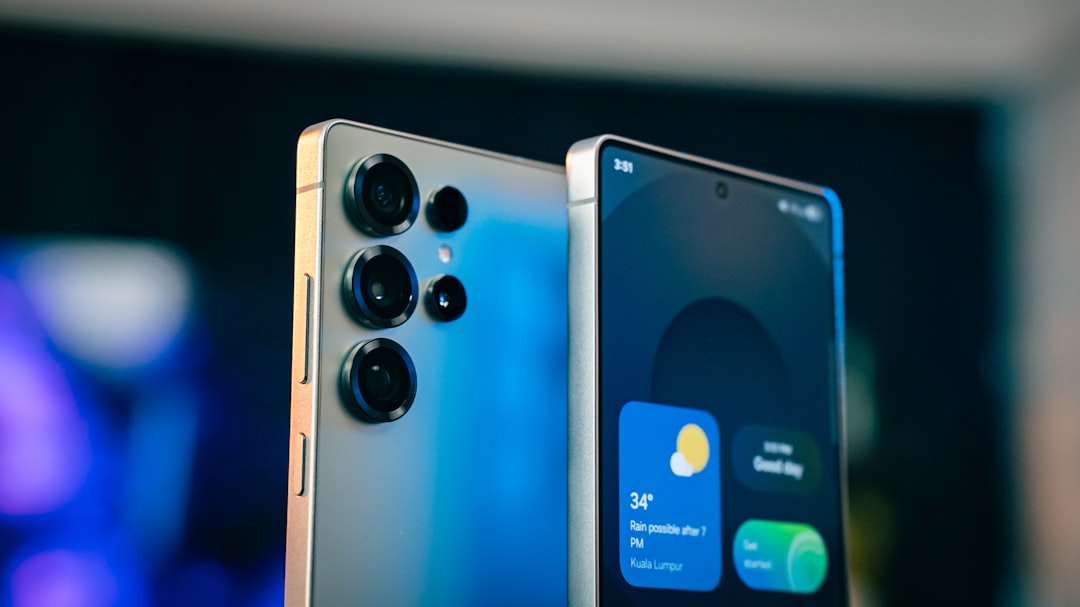
If you’re shopping for the best budget phone for university students South Africa can buy in 2026, the Samsung Galaxy A56 deserves to be near the top of your list. It is not the cheapest phone on the market, and it is not pretending to be a flagship. That is exactly why it works so well for campus life. It gives students the kind of balanced experience that matters most: a good screen for lectures and streaming, enough battery to survive a long day on campus, solid cameras for everyday use, and software support that should keep it relevant long after first semester.
In a market where many budget phones cut too many corners, the A56 feels like a device designed for real student routines. Think early classes, WhatsApp group chats, lecture recordings, Uber requests, online banking, and the occasional power cut at residence. The Galaxy A56 is built to handle that mix without feeling flimsy or frustrating.
The biggest reason it stands out: it gets the basics right
A good campus phone does not need to be flashy. It needs to be reliable. The Galaxy A56’s biggest strength is that it nails the everyday essentials. Samsung’s display tuning remains one of the best in this price range, and that matters when you’re reading PDFs, watching tutorial videos, or scrolling through class notes in bright South African sunlight. The phone also feels polished in hand, which is not something you can say about every mid-range device.
For students using Vodacom, MTN, Telkom, Cell C, or Rain, the A56 is generally a practical all-rounder. It supports the kind of data-heavy, app-driven lifestyle that campus demands, and Samsung’s One UI remains one of the easiest Android interfaces to live with. If you want a phone that simply works without constant tinkering, that is a major plus.
Battery life is a real student advantage
Battery life is one of the most important reasons the Galaxy A56 earns its reputation as a strong campus pick. Students are rarely near a charger all day, and many South African campuses involve a lot of moving around between classes, libraries, labs, and transport. The A56’s battery performance should comfortably carry most users through a full day of mixed use, including messaging, social media, hotspot use, and video streaming.
That said, battery life depends heavily on your network and usage. If you’re on weaker coverage in a residence or commuting area, your phone may work harder to stay connected. In those cases, Rain users on the wrong side of coverage or students relying on patchy signal in older buildings may see faster drain. Still, compared with many devices in its class, the A56 gives students a better chance of ending the day with charge left over.
Why it is better than many cheaper alternatives
There are plenty of budget Android phones that look attractive on a spec sheet but disappoint in real life. They often have weak software support, inconsistent performance, poor cameras, or displays that are fine indoors but struggle outside. The Galaxy A56 avoids most of those traps. Samsung’s long-term update policy is a big reason students should care: a phone that receives security and Android updates for years is a smarter investment than a bargain device that feels outdated after one academic cycle.
For parents buying a phone for a first-year student, that long support window is a real value add. It reduces the risk of replacing the device too soon and makes the A56 easier to recommend as a practical purchase rather than an impulse buy.
Where the Galaxy A56 still lets students down
Even though this is a positive Galaxy A56 opinion, it is not a perfect phone. The first drawback is price. In South Africa, “budget” does not always mean cheap, and the A56 sits in that uncomfortable middle zone where it is affordable compared with flagships, but still expensive enough to stretch a student budget. If you are paying cash, it may compete with laptops, tablets, or residence expenses. If you are taking a contract, the monthly instalment can look manageable at first but become costly once insurance and data are added.
The second issue is performance headroom. For everyday apps the A56 is fine, but students who game heavily, edit videos, or run demanding productivity tools may eventually feel its limits. It is not built to replace a high-end device like a Galaxy S26 or iPhone 17 Pro, and it should not be expected to. It is a capable student phone, not a powerhouse.
Camera quality is another area where the A56 is good rather than great. It will handle lecture notes, group photos, and social media content well enough, but low-light shots in clubs, late-night study sessions, or dim res may not impress. If your campus life revolves around content creation, you may want something with stronger imaging hardware or better video performance.
Storage and durability: good, but not perfect
Students often underestimate how quickly storage fills up. Between WhatsApp backups, lecture slides, screenshots, videos, and downloaded course material, space disappears fast. The Galaxy A56 is better positioned than many entry-level phones, but buyers should still think carefully about storage before choosing the cheapest variant. If you can afford more storage upfront, it is worth it.
Durability is another mixed bag. Samsung’s mid-range phones are usually solid, but campus life is rough on devices. Phones get dropped in lecture halls, left in taxis, and exposed to rain on the way to class. A good case and screen protector are not optional extras; they are essential. The A56 is a sensible phone, but it still needs protection if you want it to last through a degree.
The best way to buy it in South Africa
If you are considering the Galaxy A56, the smartest move is to compare both cash and contract pricing. On Vodacom, MTN, Telkom, and Cell C, the monthly deal may look appealing, but make sure you check the total cost over 24 months. Students often focus on the monthly figure and forget about the full contract value, which can make a “cheap” deal much more expensive than expected. Rain can be attractive for data-heavy users, but only if your area has reliable coverage.
For many students, the best value may be to buy the phone outright and pair it with a prepaid or SIM-only plan. That gives you more control over spending, which matters when you are balancing transport, food, and textbooks. If your family is helping with the purchase, ask whether a slightly higher upfront spend on storage or insurance could save money later.
Who should buy the Galaxy A56?
The Galaxy A56 is ideal for students who want a dependable, polished Android phone without jumping into flagship pricing. It suits first-year students, commuters, and anyone who needs a phone that can handle lectures, social media, banking, and everyday photography without drama. It is also a strong choice for parents who want something sensible and long-lasting.
It is less ideal for students who want top-tier gaming, serious video creation, or the absolute best camera quality. If that is you, you may need to stretch further up the range or look at a different class of device altogether.
Final verdict
As a Samsung Galaxy A56 review South Africa readers can actually use, the verdict is simple: this is one of the best all-round budget campus phones in 2026 because it prioritises the things students genuinely need. It is reliable, easy to live with, and strong enough to last beyond one academic year. That combination makes it a smarter buy than many cheaper alternatives.
Still, it is not flawless. The price can be a stretch, performance is only mid-range, and the camera will not thrill demanding users. But if your goal is to buy one phone that can carry you through campus life with minimal hassle, the Galaxy A56 is an excellent choice and one of the safest recommendations in South Africa right now.